

What if a technology developed to launch rockets into space could transform aviation, making long-haul flights faster, cheaper, and completely carbon-free? That’s exactly what a team of rocket scientists has been working on. After decades of research with NASA, private space ventures, and top laboratories, they’ve developed a patented, prototype-tested technology that could redefine air transport as we know it.
A New Way to Fly
Today’s proposed solutions, like hydrogen-powered aircraft, face scalability and infrastructure challenges that could take decades to overcome. Instead, this approach borrows from space-launch engineering: an electric-powered catapult accelerates the aircraft on the ground before releasing it into the atmosphere at near-cruise speed. By shifting the engines, fuel tanks, and energy systems off the aircraft and onto the ground, this method eliminates the need to carry massive fuel loads. Less weight means less energy and zero onboard fossil fuel.
The result? Flights with no CO₂ emissions and speeds that are hard to imagine. A trip from Paris to Sydney could take just two hours instead of 21!
Scaled Testing Underway
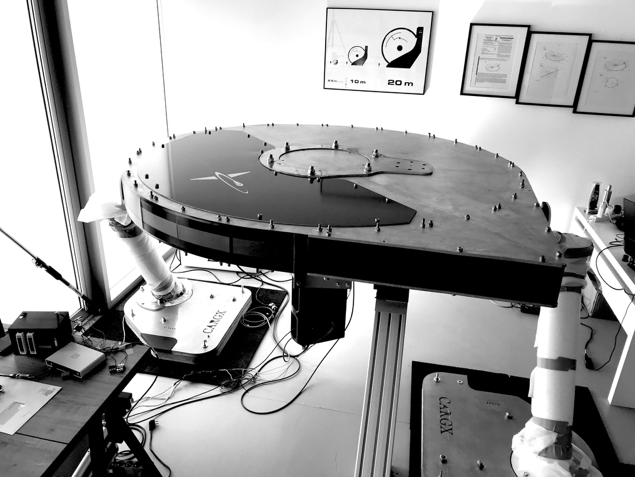
The first working prototype is a 3-meter catapult paired with an autonomous RC aircraft carrying a 20 kg payload. This subscale platform is helping refine the design for a 10-meter version, capable of testing supersonic flight.
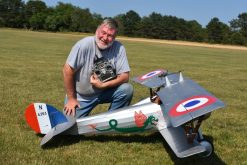
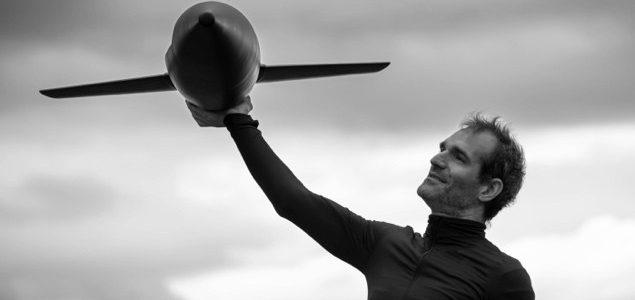
RC modelers are at the heart of this innovation. The team has developed a special RC ambassador aircraft to demonstrate the technology, and they’ll be unveiling it this September, along with a live demo of the catapult itself.
To learn more about this groundbreaking project, visit: https://cargx-sustainable-transport.com/welcome-to-the-countdown/
The subscale catapult is 3 m in diameter and weighs half a ton. It will help the team to design the next, 10 m diameter catapult.
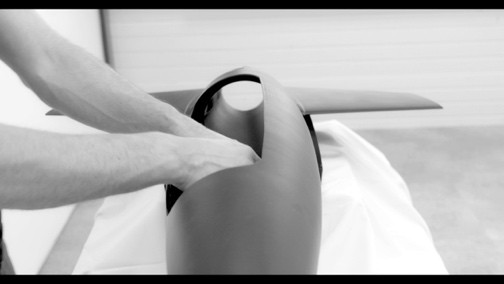
The first autonomous airplane will carry 20 kg of payload. This is a prototype.